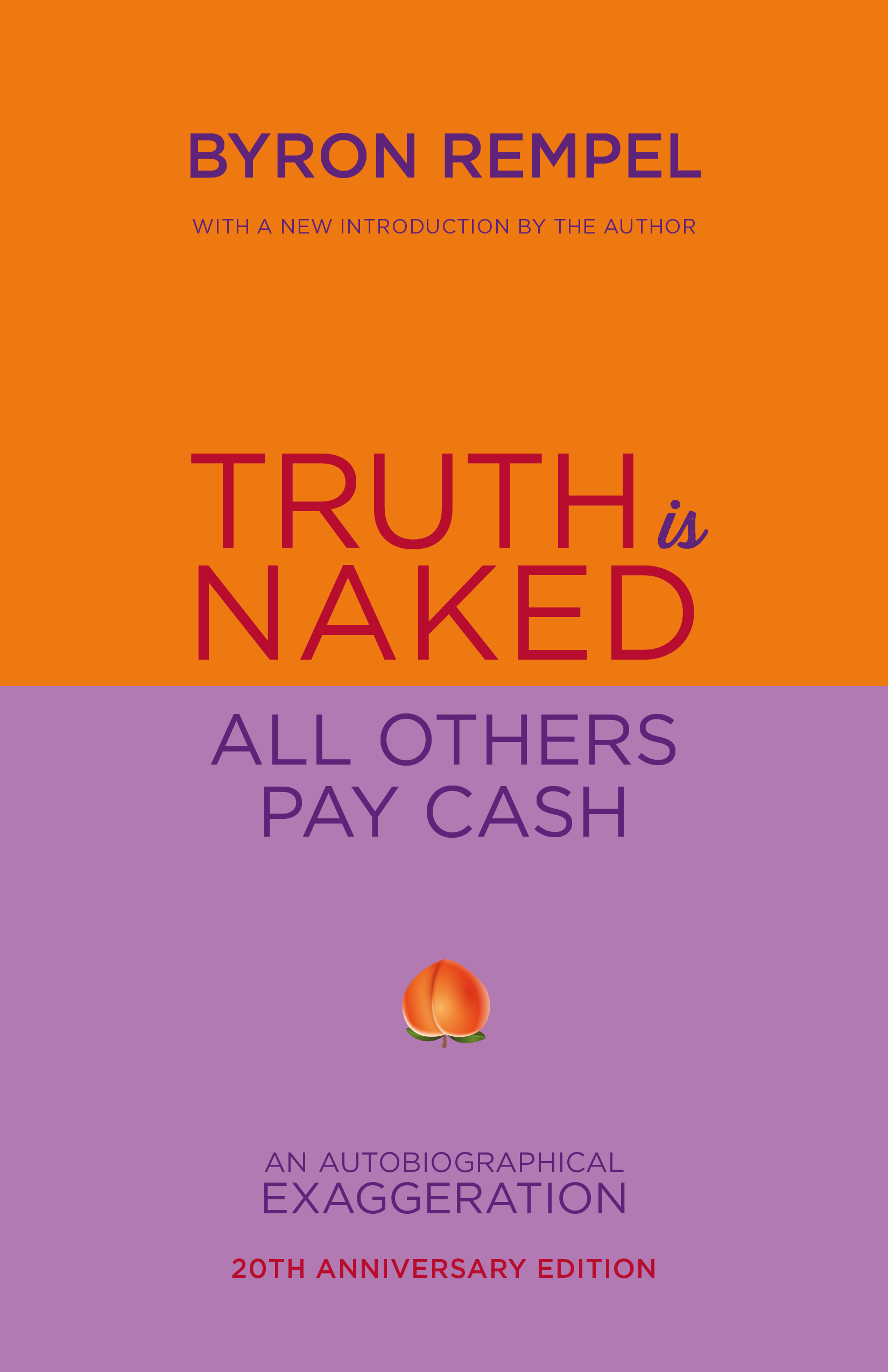
Some lives make sense. This one makes literature.
– One of the Globe 100 Best Books of 2006
An elephant trainer in Italy, a writer-in-residence for an archaeological dig in Belize, and a theatre reviewer in Key West, Byron Rempel gets around. In his book Truth is Naked, All Others Pay Cash, he reaches beyond established literary genres into uncharted territory.
Whereas many novels are thinly disguised autobiography, Rempel believes it is much more interesting when we fictionalize our own lives. As proof he offers a post-modernist memoir, even though he isn’t sure what post-modernism means, never mind his own life.
Whether searching for the origins of pacifist Mennonites among murderers and polygamists, shovelling elephant droppings, or confronting the slow evaporation of his father’s brain, Rempel addresses the questions that haunt all of us: Where are we going, why, and what will it cost us, not including airport tax? The result is a collection of stories that are quite hilarious, often poignant and occasionally believable.
– A 2006 Globe & Mail pick for 100 Best Books of the Year
– Finalist Quebec Writers’ Federation Mavis Gallant Prize for Non-Fiction


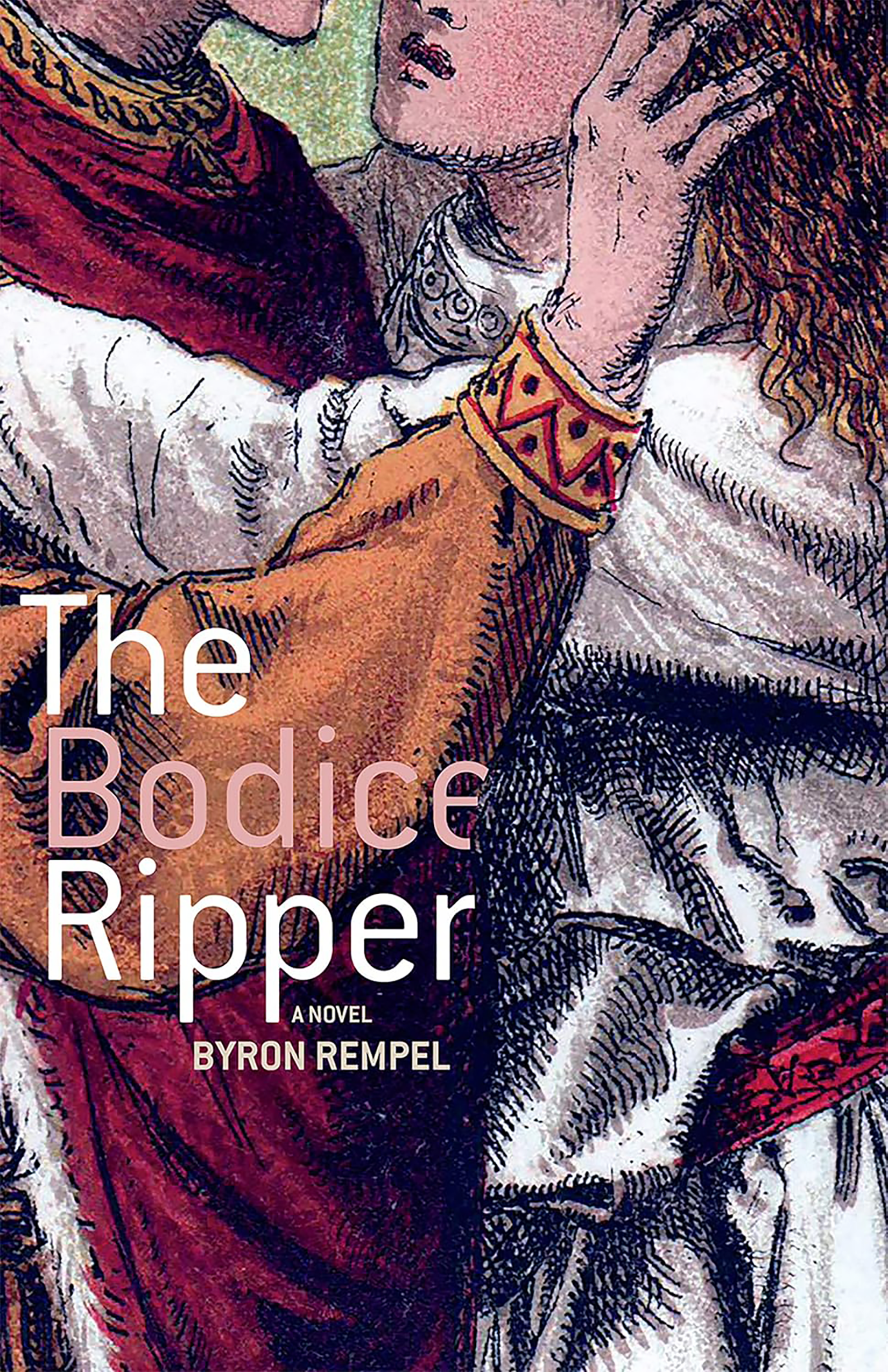
Is Romance History?
Anna Hill is almost forty, a McGill professor lecturing on the invention of romance—while her own life feels painfully unromantic. Craving more than theory, she secretly writes a bodice-ripping Harlequin set in medieval Spain, pouring onto the page the passion reality has denied her.
Then a visiting professor from Paris arrives—charming, relentless, unsettling—and Anna’s fantasy suddenly feels dangerously real. He’s determined to prove romance is constructed out of dreams and lies. That in our day, romance is history.
Yet with him in the room, she finally feels urgently alive.
Now Anna isn’t just studying desire—she’s trapped inside it, where obsession takes hold and the cost of longing may be fatal.


At the edge of forever, she still wanted her hair done.
Byron contributed his essay, “Fifteen Ways to a More Beautiful You” to this anthology.
Fierce, funny and tender, Fifteen Ways to a More Beautiful You follows Rempel as he keeps vigil beside his dying mother, Evangeline—a devout, dazzling woman who believes beauty is a blessing and presentation a moral act. Even as cancer advances, she insists on styled hair, lipstick, and the proper tilt of her chin in the casket.
Raised as the only boy in a formidable household of women, Rempel grew up shaped by her gospel of appearance, music, and certainty—then spent adulthood circling, resisting, and reinterpreting it.
Braiding faith, family myth, rebellion, and opera-level drama, the story becomes a meditation on what mothers pass down: their gods, their anxieties, their soundtracks. As theology falters and memory fractures, Rempel comes to see that truth—like beauty—is part surface, part ache. And that going under-dressed into that good night may be the only unforgivable sin.
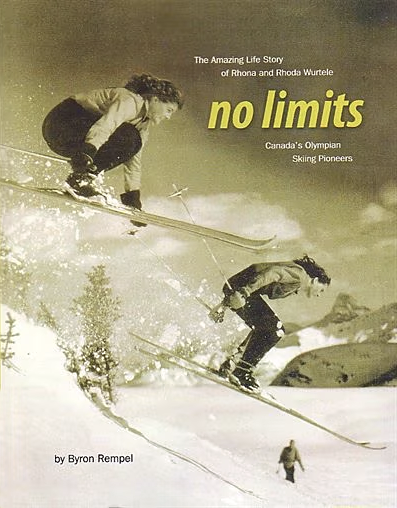
They weren’t just faster than the men. They were ahead of their time.
In the 1930s and 40s, identical Montreal twins Rhona and Rhoda Wurtele were unstoppable, inseparable trailblazers not only for skiers, but also for women and Canadian sports. In their 90s, they were still carving new trails for seniors in sports.
This engrossing book not only details the twins’ races down the slopes, but also the uphill battles they faced from the 1930s through to the 1970s. They already ski jumped by age 11 on Mount Royal. During a minus 36 degree snowstorm Rhoda came out first in the famed Taschereau race, beating all other women—and men—by a full 24 seconds. In 1948 the twins made up the entire Canadian Olympic women’s downhill ski team. Byron Rempel also uncovers the Wurtele’s disregard for barriers and limits, including their fight against the refusal to give them the top level ski instructor badges they earned, and in the 1960s, their push to get Westmount housewives out of the kitchen and onto the slopes.
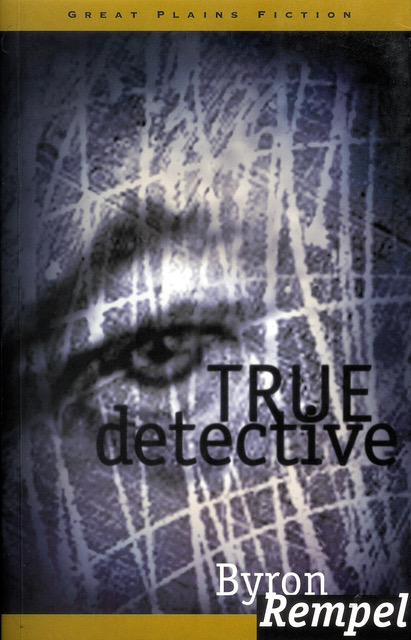
A slacker noir about desire, detachment, and accidental adulthood.
Cross the writing of Henry Miller with Douglas Coupland and the result is Byron Rempel’s exhilarating first novel, True Detective. Set in Montreal’s flourishing alternative scene, the story details the adventures of a sex-obsessed prairie expatriate who puts off getting a real job by enrolling in a mail-order private detective course. Hoping to create the perfect slacker gig for the ‘90s, our hero finds himself working harder than expected to solve various mysteries—including, to his alarm, the deeper mysteries of the human heart.
There’s a dick, there’s a dame, there’s a delivery. There’s a dash of violence, some sex, and lots and lots of questions… Every chapter of exciting plot leads to one in which Roger Bushman pulls back to investigate his morals and those of his circle. For a book in which drugs and sex are the characters’ jobs and ambitions, this hypnotically recurring emphasis on morals is surprising. True Detective is a moral, metaphysical mystery…a pursuit into the fog of love, into the mysteries of the human soul.
– The Georgia Straight